Ghormeh Sabzi with some Achar

Hey guys! Welcome back! Excited to be here today sharing, yet again another fun Persian-Indian recipe. Today, we are cooking up some Ghormeh Sabzi with a side of achar. Let’s start with achar and what it is. It is a lemon-pickle which for most Indian families is a dinnertime compliment staple. It comes in many forms, but is most commonly known as a chutney. Transforming any meal emitting a fiery, complex, and tangy taste, this condiment can change the dynamic of any dish and is the Indian relish you’ve been missing out on.

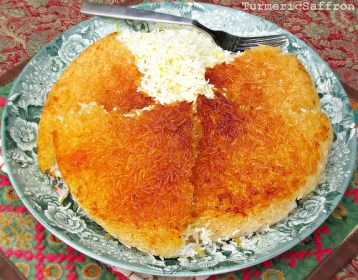
Chitra Agrawal, the founder of Brooklyn Dehli which is a small achar company, says “But achar is what Indians really put on everything. It’s an ever-present condiment, like a hot sauce or a Sriracha”. She believes one can add a hint of achar to every condiment including yogurt, tomato sauce, or even a warm roti (round flatbread). Luckily, for us we have the perfect Persian cuisine that could use a little bit of the achar magic. This dish as I have previously talked about before is Ghormeh Sabzi which is a persian herb stew. Many persian commonly eat this stew over a nice piece of (tahdig) which is the pan fried layer of crust at the bottom of the rice pot. The hot stew begins to seeps into the fresh and crispy tahdig. Now as I have said coming from my mothers Indian side achar is a Indian family staple so I came to place it on every single meal. Anytime I add it to a meal it made my taste buds feel like they were dancing. Simply, I took a dollop and ate it with my Ghormeh Sabzi and loved it. I decided I would want to share this trick with you guys since this blog is all about mixing up traditional foods. Next time you are in your local super market pick up a bottle of achar because you never know what could come out of it. Thank you guys so much for tuning in and I will see you next time!!!!!!!- Layla

Image result for achar——acharImage result for ghormeh sabzi an tahdig——tahdig

New uses for Sumac

Welcome back to Lay’s Kitchen! Happy to be back, pursuing my two passions of cooking and writing. Today, I am going to be talking about some new fun and different ways to use sumac. Sumac, which traditionally is from the Middle East, is the powder of red berries. In Ancient Roman times, this spice was used as a souring agent when combined with water. It can be used to give food a bright pop of colour or can even enhance the taste, adding a tart essence to your dish. Commonly, seen and used in more Middle Eastern countries, Sumac has many uses including as a dry rub, marinade, or even a dressing giving a hint of tang in every meal 🙂

Creatively, one could add Sumac to extra virgin olive oil developing a pungent bread dipping oil. Chef Amanda Cohen, the author of the award winning cookbook Dirt Candy, believes that Sumac is a very underrated spice in the US. Actually, it is very citrusy while acting also as a flavor enhancer. Chef Annie Pettry, the owner of Decca Restaurant in Louisville, says she loves to use sumac to season her fried food. “The sumac brightens everything up with citrus tones, but it’s also earthy, so I feel like it makes fried food pop. I love it on corn fritters, fried brussels sprouts, and especially fried garbanzo beans” Annie says when discussing how she uses sumac in her cooking. Growing up in a Persian household, my grandma uses sumac in a lot of her dishes including kabobs, tahdig, salad shirazi, and almost everything else. Naturally, I have become accustomed to this and now find myself putting it on all types of foods. These are just some fun ways you can change things up in the kitchen and add your own twist on things:) Thank you guys so much for tuning in and I’ll see you next time!!!! – Layla

Image result for historical illustration of sumac

Decadent Delights :)

Today, in this recipe, we are going to be tapping into your sweet side with a twist on an  Indian dessert. The Indian delicacy, Jalebi, is a common treat in India which consists of Maida flour batter which is fried into little balls, and then soaked in a sweet, sugary syrup. It is served in India straight from the fryer, piping hot. Bastani Sonnati is a Persian ice cream which is very well known in Iran. It incorporates flavors of saffron and pistachios which give off a sweet nuttiness tang. Mixing polar opposites of hot and cold can result in the outcome of a delectable dessert. One perfect scoop of Bastani Sonnati on top of warm and sweet Jalebi can tremendously satisfy your sweet tooth. Something as easy as combining desserts can help bring joy and creativity to your household. Thanks for tuning in and stay posted for updates and more fun recipes!!!-Layla

Image result for bastani sonnati—–bastani sonnati

Persian Indian Fusion

For our first recipe, we are going to be doing an Indian Persian mix. Traditionally, Persians do not like spicy food at all, but on the other hand, Indians live by spices and incorporate it into every meal. To kick off our first recipe, we are starting with something very traditional to Iran, but adding an Indian twist to it. Ghormeh sabzi is a Persian dish that is an herb stew with its main ingredients being parsley, leeks or green onions, cilantro, and dried fenugreek leaves. As you can tell, these ingredients may add flavor. Yet, by adding an Indian twist of whole green chilis into the stew changes the flavor dynamic. The result is a vibrant green stew with a spice essence. Simple things like adding chilli’s or switching out ingredients can make all of your traditional dishes winners. Remember, shaking up your usual routine never hurts. And, in fact, it can even revolutionize a common, traditional dish. Stayed tuned for another post of Lay’s Kitchen!

Image result for cooking

Welcome!

Hi and welcome to my  first blog post. My name is Layla Avaz-Mohammadi and I’m so excited to be a part of the blogosphere! Being a girl who comes from a multi-cultural background, I want to share my culinary knowledge with you. With Persian and Indian roots, I am ready to share delicious information with all of you. I will be posting all kinds of authentic recipes, background information, and helpful cooking tips to show you how to make traditional Middle Eastern cuisine! Stay tuned 🙂